

PROMPT L’ŒIL: THE PROMISES AND DECEPTIONS OF (DE)GENERATIVE INTELLIGENCE An Email Exchange Between Paul Feigelfeld and David Joselit
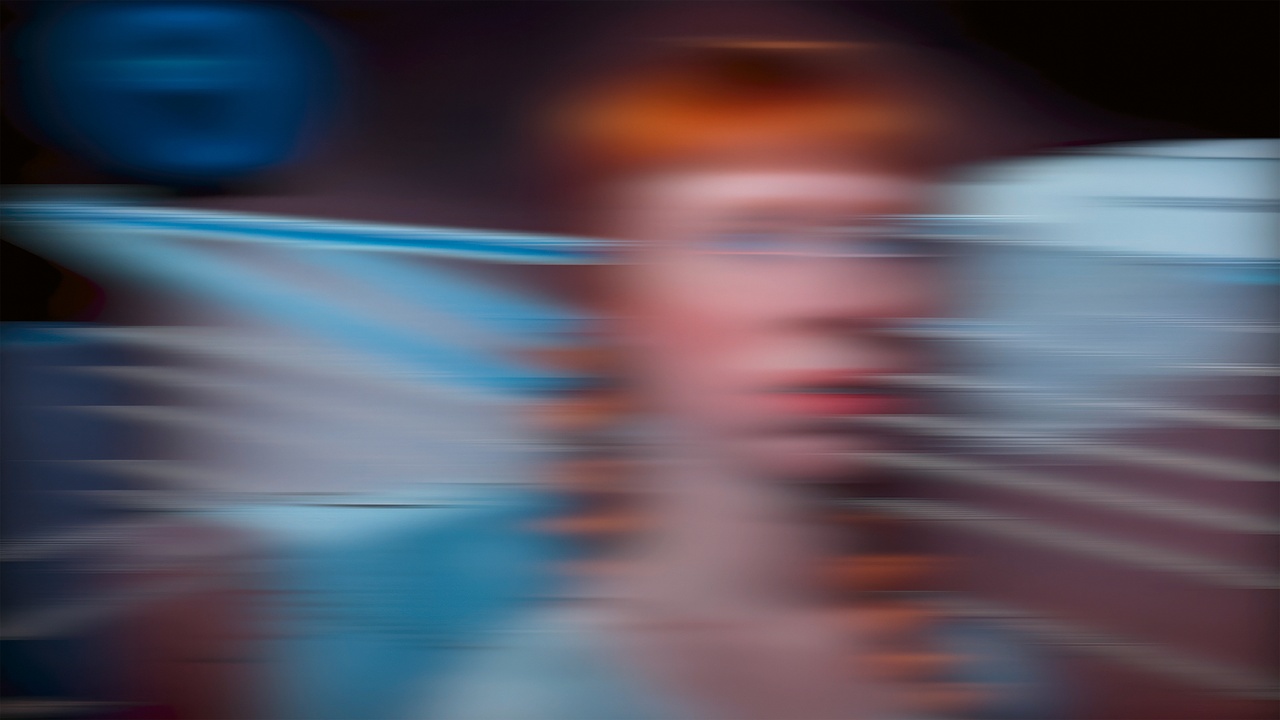
Holly Herndon and Mat Dryhurst, “I’M HERE 17.12.2022 5:44,” 2023
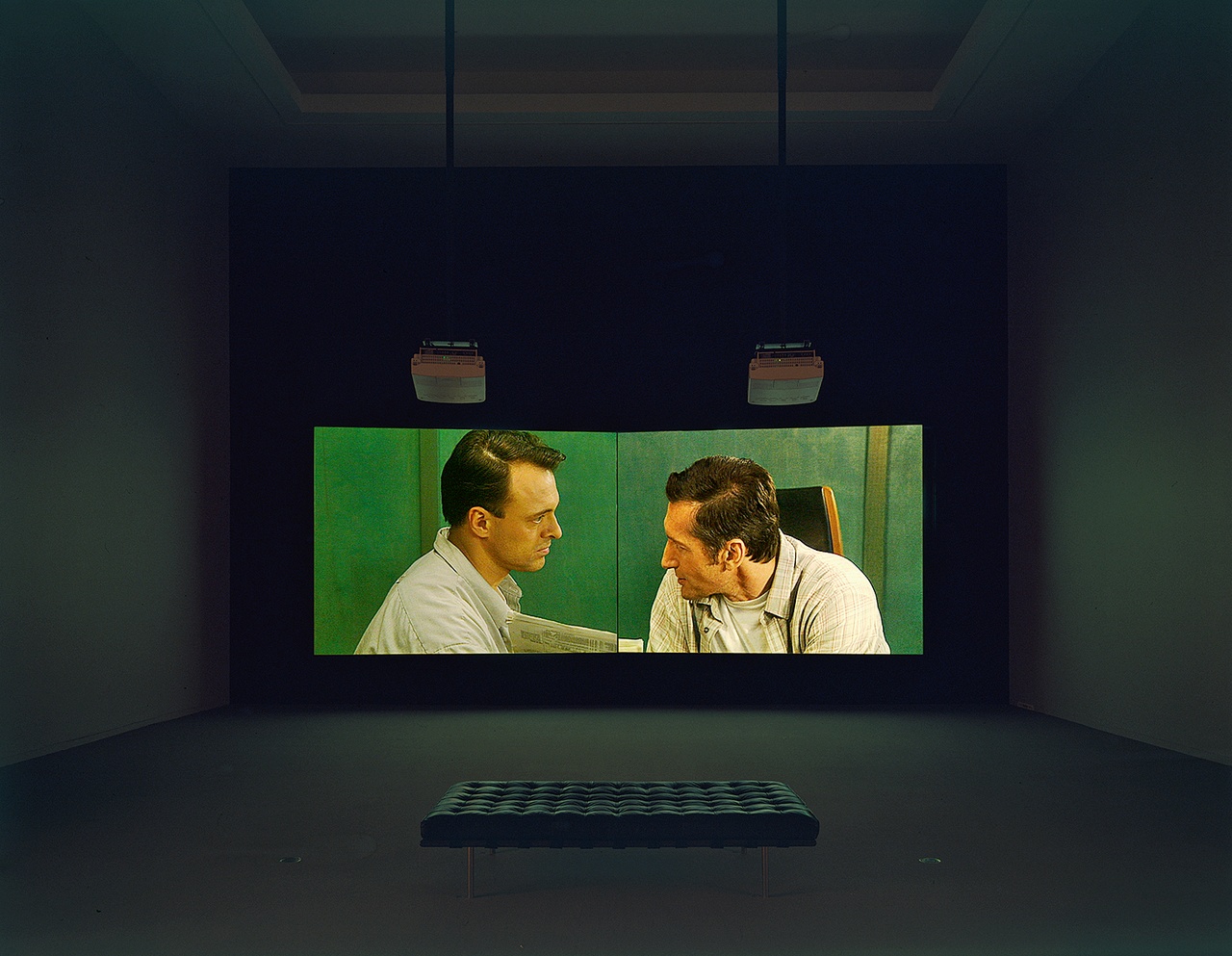
Stan Douglas, “Win, Place or Show,” 1998
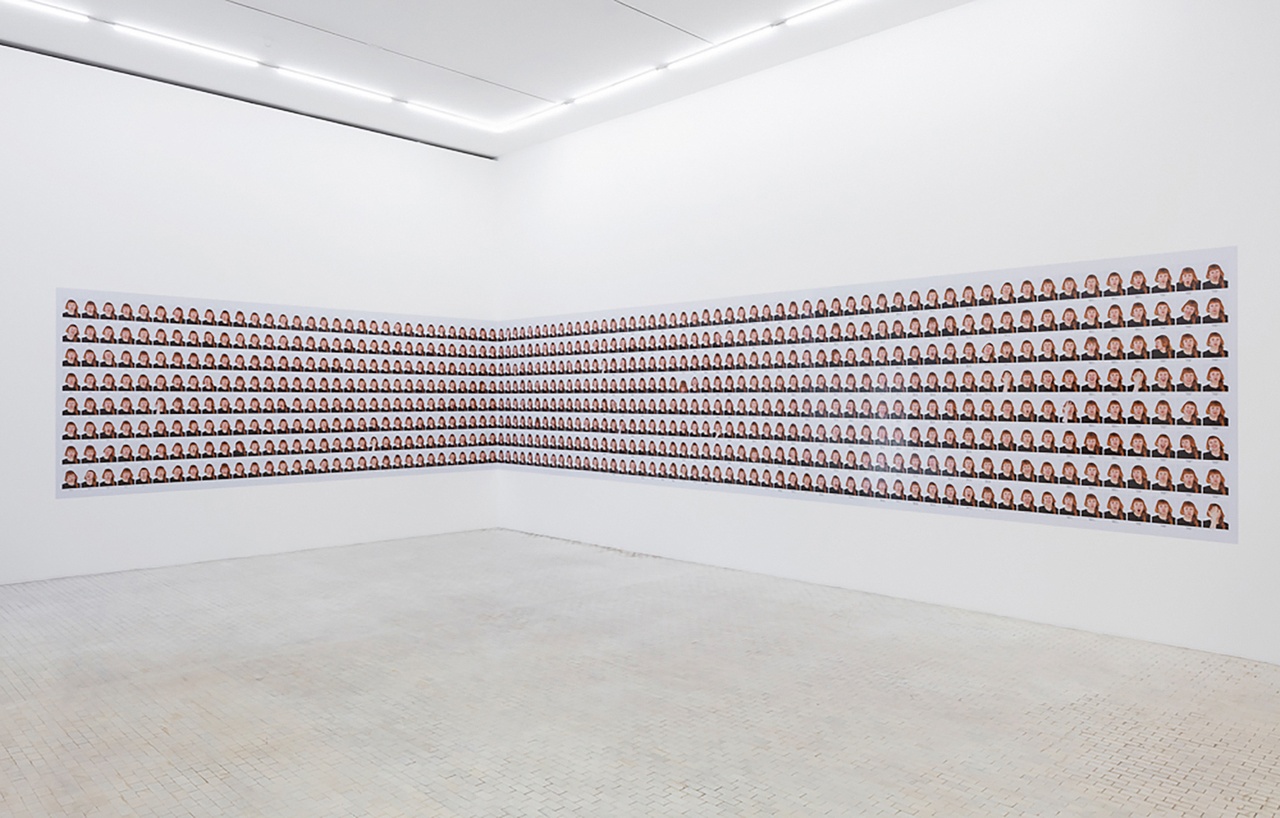
Trevor Paglen, “Machine Readable Holly Herndon,” 2017
JOSELIT: The ordered procedures of the algorithm, even when many are operating in parallel to one another, are not inspired – or literally in-spired, full of breath or spirit, to bring us back to your invocation of nature – but rather follow the same sets of steps mechanically or by rote. I agree with you that intelligence is an art, in the broadest sense – perhaps the sense of inspiration – and there are many ways of defining such art or artifice. One of the things that strikes me about generative AI tools is that they are predictive, meaning that they marshal an archive to create a statistically plausible output. Western art has generally been understood as representative, suggesting that there is a meaning behind the work of art that must be decoded (much of art history and contemporary criticism is involved in such decoding efforts). What if, instead, as many artists have done, we think of art in terms of its capacity as a model for generating rather than predicting or representing meanings – as a form of intelligence whose significance is in front of the artwork instead of behind it? I think this was the major interest of Conceptual Art and its progeny – to suggest that art generates objects rather than consists of them. Conceptual art was a type of generative AI before there was a technology of that name. But there’s another dimension to your critique of genealogy that I’d like to take up. Diachronic forms of telling history, as in genealogies, seem to have lost their persuasiveness. I think this results in a kind of dissemination or synchronicity of different temporalities in the present. One crude way to think of this is that we now all live in our own temporalities generated by the devices that give rhythm to our daily lives. But in media art, one sees this kind of temporal stutter through the persistent use of loops, multiple screens and/or channels, and permutational narratives. It sometimes feels like one is locked in a permanent present, and this, it seems to me, leads to problems in telling history. For me, some of the best ways to understand new technologies are through the aesthetic procedures developed by artists in advance of those media. Stan Douglas’s long-standing method of creating permutational variations on a single scene – for instance, in his video works – seems to me almost a proleptic account of AI’s predictive model. It is much more compelling in my view than the kind of melting-screensaver formalism of an artist like Anadol.
FEIGELFELD: Couldn’t we view prediction as the condition for the possibility of intelligence, as its predominant motivation? In terms of survival, but also in terms of a species evolving, what one needs is to know the future to some extent. We evolve from pattern recognizers to pattern generators; we recognize tides, orbiting planets, rhythms in nature, etc.; and we generate new patterns in the form of models, writing – more and more complex – right toward art and science. It starts with prophecy at a time when the correlation between reality, model, and prediction is still haphazard and then moves on to prognosis. We realize that a finite set and sufficient combinatoric rules can generate seemingly infinite meaning – permutation. In the 17th century, calculus brought us into the infinitesimal and let us glimpse into what true generation could be, once we’d have the computational capacity. And recently, we have progressed from prediction to production; we generate reality rather than just predict and represent it. I’d like to throw you a term to discuss in relation to the question of “in front of or behind the artwork” and maybe come back to the question of history later: prompt l’œil.
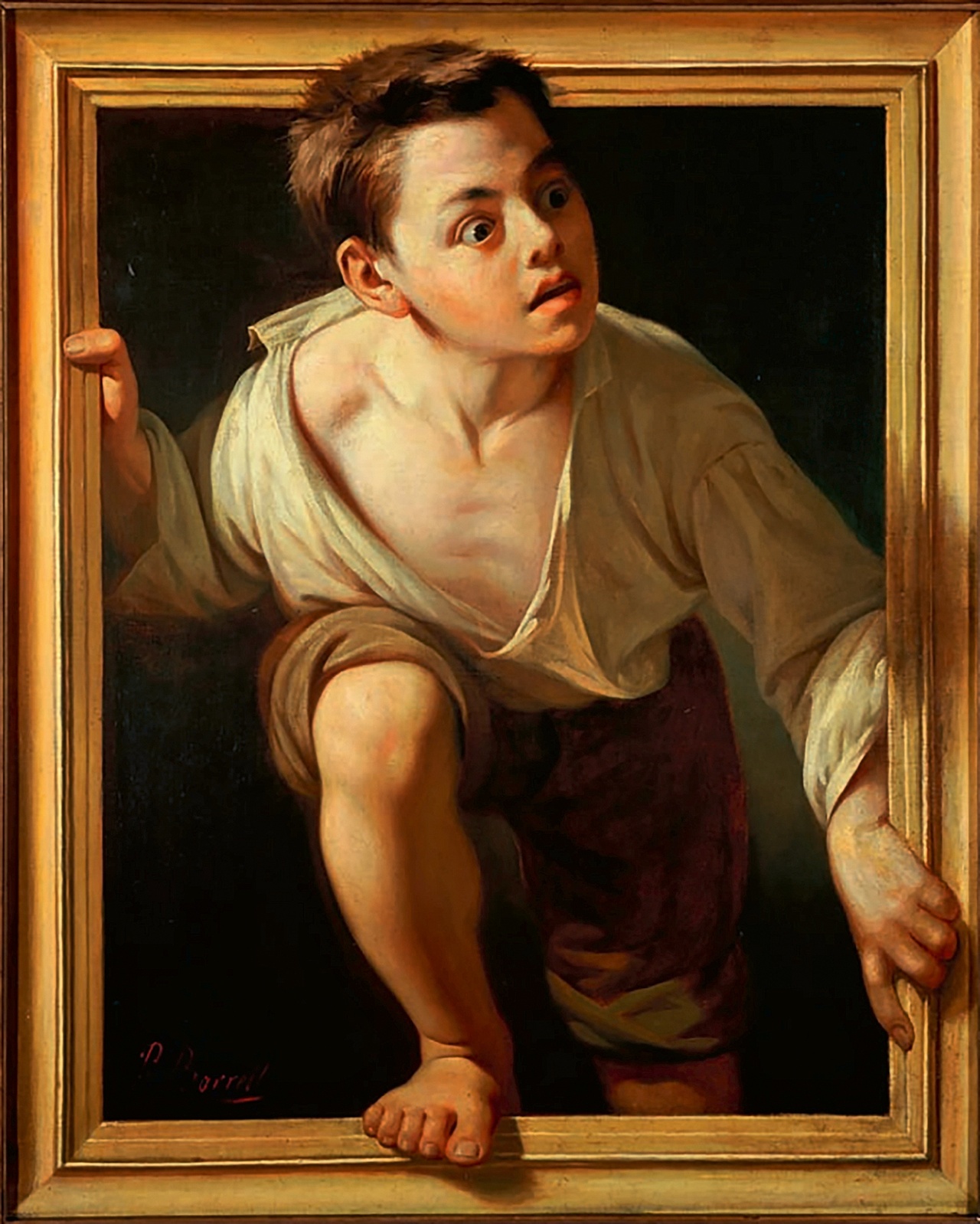
Pere Borrell del Caso, “Escaping Criticism,” 1874
JOSELIT: Prediction is certainly one mode of intelligence, but what if we set beside or against prediction the urge or desire for utopia, for that which cannot be predicted, which has certainly motivated much of modern art? Equally in politics, someone like Hannah Arendt would define the promise of politics as producing something new in a space of encounter and dialogue. For that matter, can a dialogue be entirely predicted? At the end of the day, could Chat GPT have been predicted? Is prediction a moment of execution after a moment or moments of invention? And of course, as many thinkers about bias in machine learning have pointed out, the kind of prediction one can make is based on the data one has scraped, which can lead to all kinds of harmful distortions. But to switch sides on myself, I do think the interest in science fiction, and especially in Octavia Butler in the United States, and what Saidiya Hartman has influentially called “critical fabulation” practiced by herself and other major African American thinkers, does correlate to an epistemology of prediction – but what is predicted in this work is founded on a different set of histories, political investments, literary techniques, and attitudes toward futurity. This leads me to your provocative neologism, prompt l’œil. I’d love for you to expand on this term, but here are some preliminary responses. First, I think that inevitably the genre or art of the prompt will continue to develop as a site of creativity (as I think the constitution of databases and archives will as well). But I want to put some pressure on l’œil because something that strikes me about the current state of machine learning – and correct me if I’m wrong – is that images must be translated into text on various registers before they can be generated as visual outputs. The prompt then is a very discursive form of visuality that places significant limits on what can be produced. This perpetual translation into text inhibits the spontaneity and invention of visual form.
FEIGELFELD: Maybe prediction was the wrong road to go down to begin with, and we should focus on what you talked about as generation and I as production. I like the term production more because it stresses the aspects of labor and power, which play such a huge role in this. Maybe it has long been much easier to simply produce realities than it is to predict them and (re)act accordingly – if you have the power over the means of production. Which brings us to the power of the prompt. I don’t think it’s us who are prompting, and I am doubtful there is much creativity in it, as long as the large language models are built by those who are building them now. Of course, art and artists have critically and creatively misappropriated the means of production and media time and again over millennia. However, the agency of the medium, its own artistic potential and autonomy, has significantly increased, perhaps even crossed a critical threshold. So maybe LLMs are preemptively prompting humans rather than the other way around, ushering us into incessant data production and paying us in rather generic AI slop, be it image, text, or sound. It really seems to me that quite often what we are getting back from our technologies these days – whether the supposed connection of social media or marvelously bad AI art – are surface effects, fascist-capitalist camouflage only thinly disguising a planetary infrastructure of computation that is predominantly occupied with extraction, expansion, exclusion, and totalitarianism. The inspiration for prompt l’œil is trompe l’œil after all, which is all about deceiving the eye, the gaze, the very idea of what is real and what is art and what is behind the canvas or curtain. I know I come across as a doomsayer here, and it has been said by others elsewhere before, but I do think we cannot and must not think about AI and art without stressing this. As for the eye, l’œil, you’re right, it’s ultimately all text – or rather, symbolic representations – and we’re not the first to realize this. Vilém Flusser, Friedrich Kittler, and many others in the late ’80s and the ’90s during the Iconic Turn have stressed that under the technological condition of mimetic Turing machines, the Real and the Imaginary – to drag Jacques Lacan into this – are subjugated under the order of the Symbolic. It’s all text, and all text is code, all code is numbers, all numbers are ultimately physical states of electricity in transistors. But this incredibly reductionist fantasy has to be counteracted with something, as you say, right? It can’t be turtles all the way down. I love that you bring up the concept of “critical fabulation” in this context. Do you think that through critical fabulation, speculative fiction, alternative futurings, and other techniques like these we might be able to reshape our technological condition? I do think that art has not only the potential but also the responsibility to shape technologies. But I am pessimistic as to the extent the tech industry has shifted its sights onto exactly that risk and is usurping creative production while turning creatives into the stress testers and bug hunters of their systems.
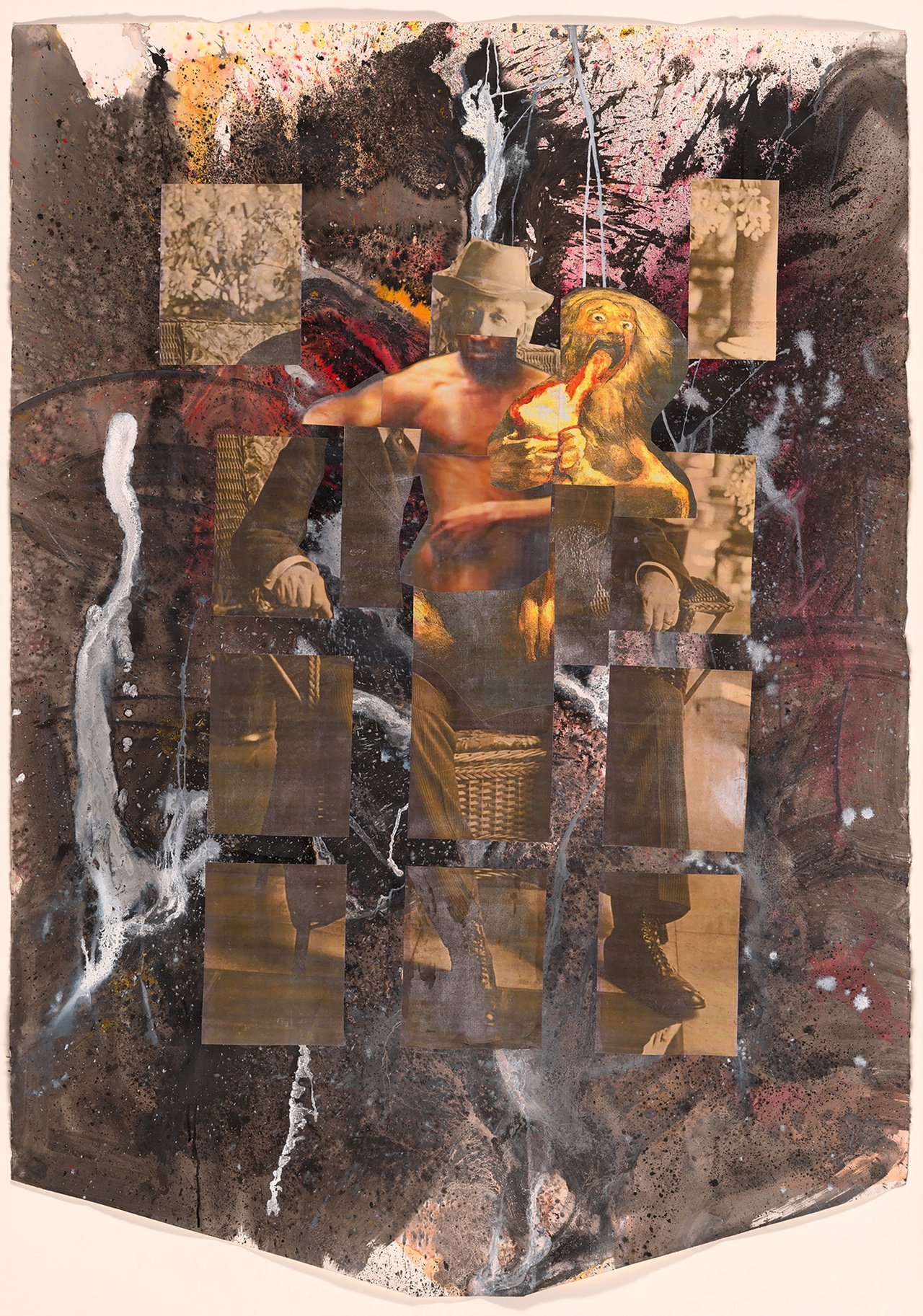
Kandis Williams, “We have spared no expense. scope, scalpel, axe, drill. The Sort of Thing You Should Not Admit: violent death, turns out to be puzzlingly complex and if you have a problem figuring out whether you’re for me or, then you ain’t black.,” 2020
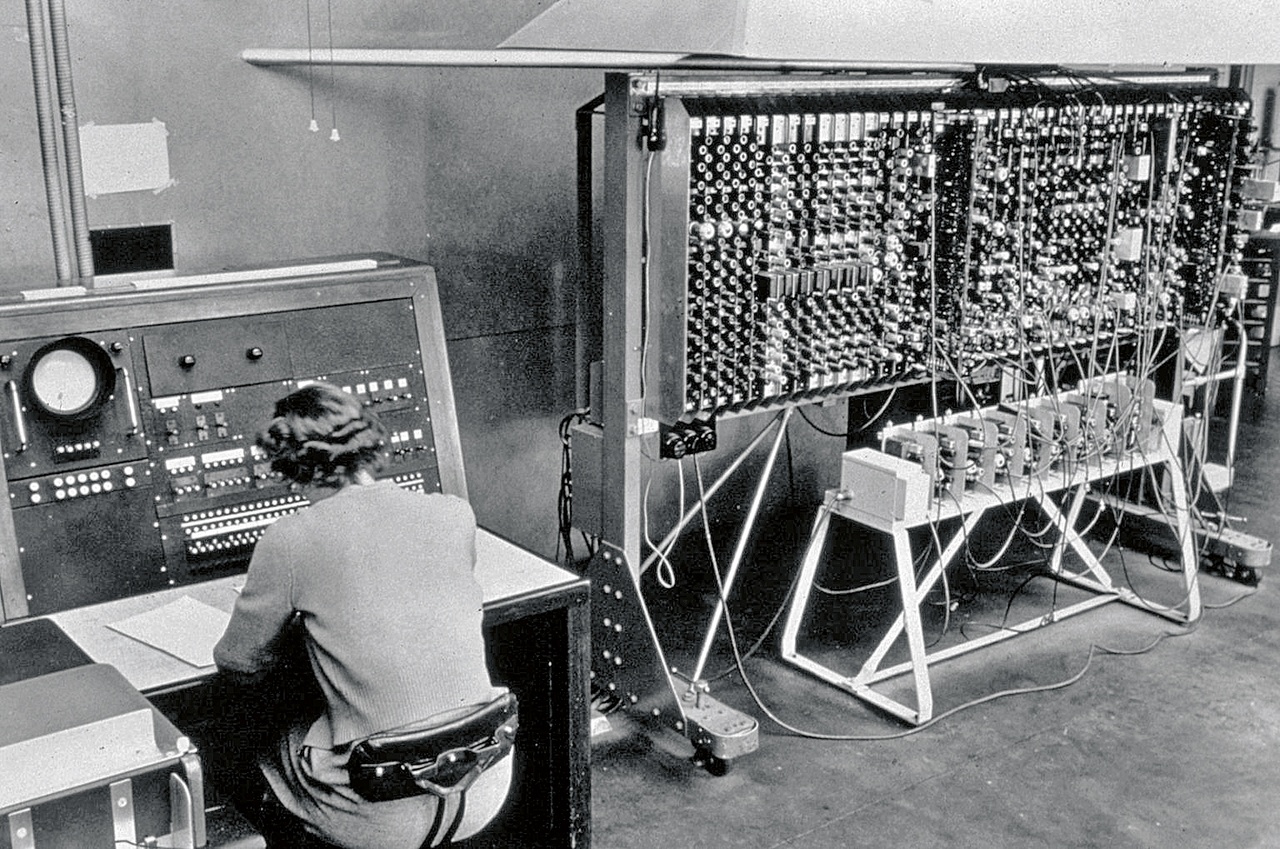
Automatic Computing Engine pilot model (based on designs by Alan Turing), National Physical Laboratory, Teddington, 1949
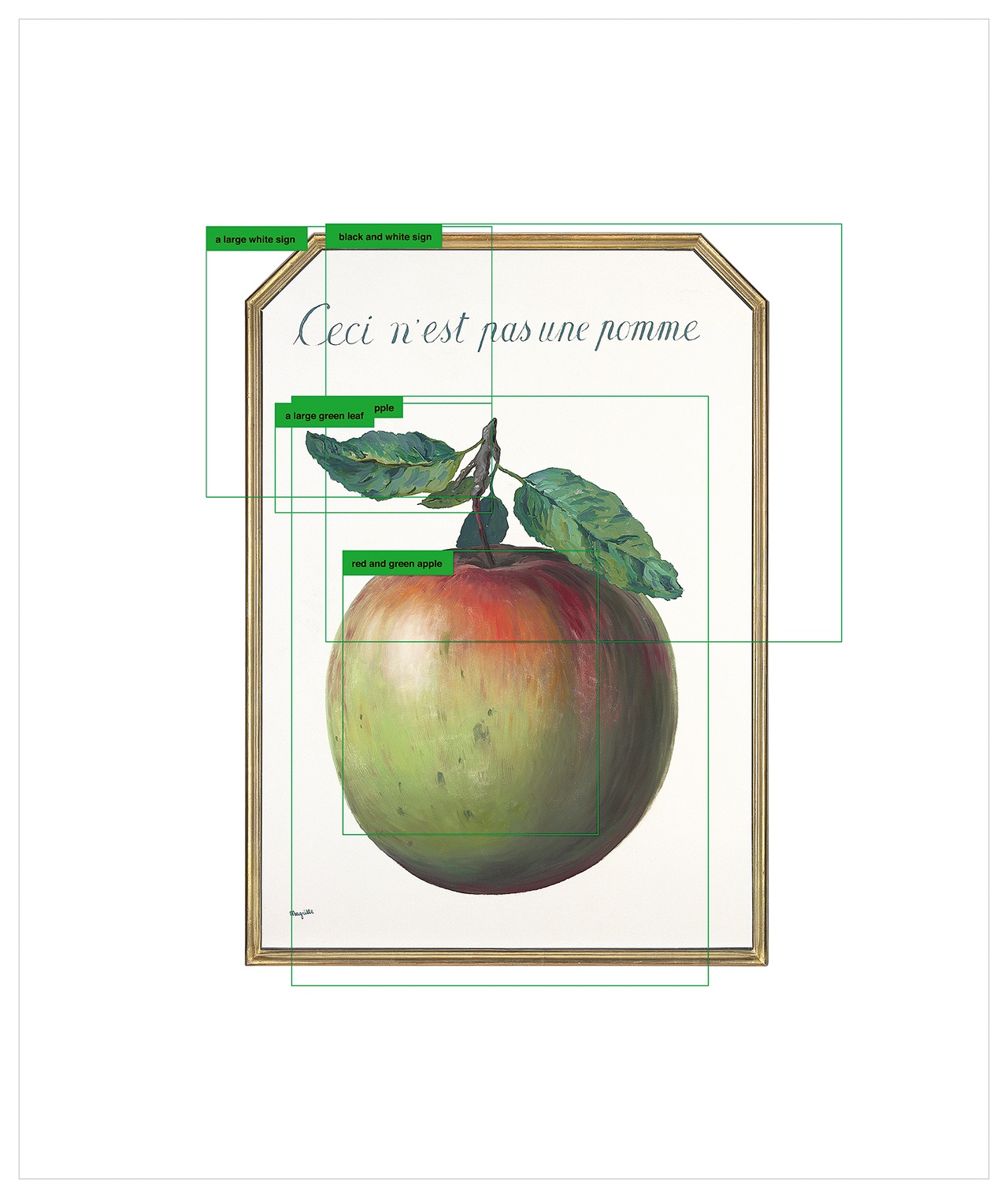
Trevor Paglen, “The Treachery of Object Recognition,” 2019
David Joselit is the Arthur Kingsley Porter Professor and Chair of Art, Film, and Visual Studies at Harvard University. His most recent book is Art’s Properties (Princeton University Press, 2023).
Paul Feigelfeld is a professor for digitality and cultural pedagogy at Mozarteum University in Salzburg, where he is also part of the Institute for Open Arts and the Data-Arts-Forum.
Image credits: 1. Courtesy Herndon Dryhurst Studio; 2. © Stan Douglas, courtesy of the artist, Victoria Miro, and David Zwirner; 3. © Trevor Paglen, Altman Siegel, and Pace Gallery, courtesy of the artist and Museo Tamayo, photo Agustín Garza; 4. public domain; 5. © Kandis Williams, courtesy of the artist and Heidi; 6. © The Board of Trustees of the Science Museum, Science Museum Group Collection, public domain, 7. © Trevor Paglen, Altman Siegel, and Pace Gallery