
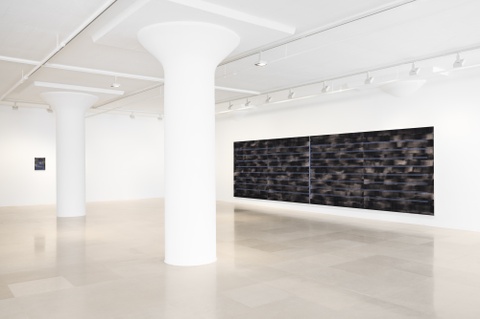
KEY IMAGES, COMPREHENSIVE VOCABULARIES Jonathan Odden on Hanna Hur at Greene Naftali; Nate Lowman at David Zwirner; Lynda Benglis at Pace; and Rita Ackermann at Hauser & Wirth, New York
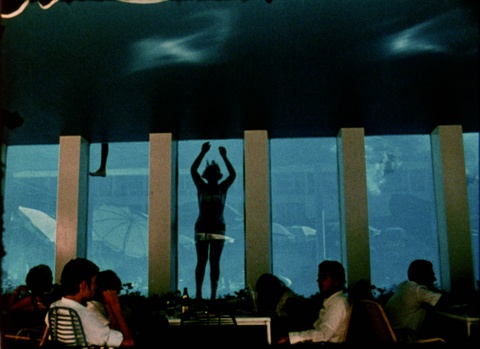
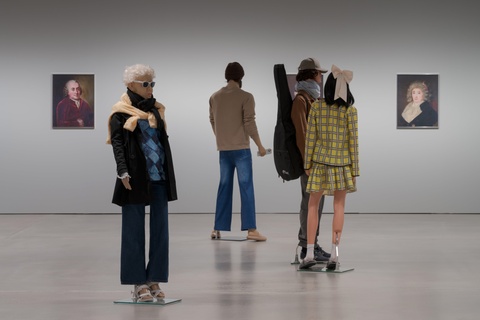
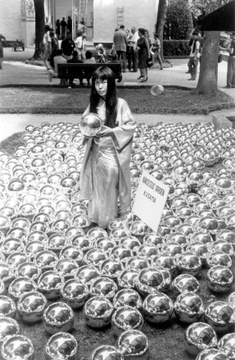
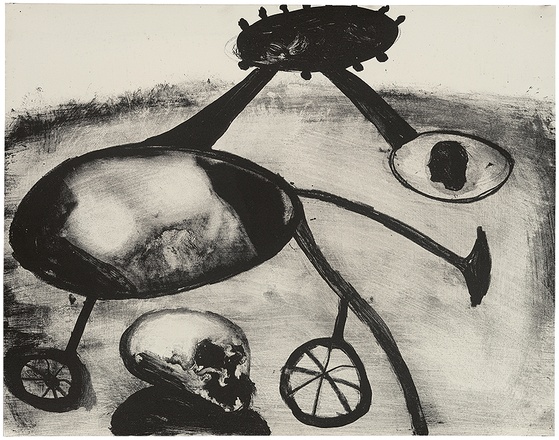
While this year’s Paris Art Week draws to a premature close, we’re turning our gaze to New York’s gallery scene. The sheer number of noteworthy exhibitions that opened there last month has led us to introduce a new online format: The Gallery Tour. Setting the tone is Jonathan Odden, delivering crisp, concise reviews of four essential gallery shows. He begins in Chelsea, with Hanna Hur’s compositions combining rational grids with religious iconography at Greene Naftali, Nate Lowman’s custom-shaped canvases parked at David Zwirner’s former garage space, and Lynda Benglis’s material-rich exhibition at Pace, which highlights the artist’s versatility in terms of process. The tour then takes us south to lower Manhattan – not to Alphabet City, but to “The Chemical Alphabet,” Hauser & Wirth’s SoHo presentation of Rita Ackermann’s new series of chalkboard paintings.
Lesen